Engineered Hardwood Flooring 101
1
What is Engineered Flooring?
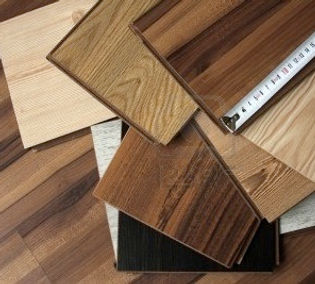
Engineered hardwood flooring is real wood flooring made with a genuine hardwood surface layer and a layered core underneath.
The top layer is what you see and walk on. It gives the floor its natural wood grain, color, texture, and character. The layers underneath are designed to give the flooring more structure and stability.
Engineered hardwood comes in many styles, including wide plank, light oak, white oak, walnut, maple, matte finishes, wire-brushed textures, and custom color options.
For many homeowners, it is a practical way to get the beauty of hardwood with more installation flexibility.
2
Is Engineered Hardwood Better Than Solid Hardwood?
Engineered hardwood is not always “better” than solid hardwood. The better choice depends on your home, your subfloor, your lifestyle, and your design goals.
Solid hardwood is made from one solid piece of wood. It is a classic choice and can usually be sanded and refinished multiple times over its life.
Engineered hardwood has a real wood top layer with a layered core. Because of that construction, it can be more stable in certain conditions and may be a better option for some spaces where solid hardwood is not ideal.
Engineered hardwood may be a good choice if:
-
You want real wood flooring
-
You want wider plank options
-
You are remodeling a condo or modern home
-
You need more installation flexibility
-
Your subfloor requires a different installation method
-
You want the look of hardwood with improved stability
Solid hardwood may be a better choice if:
-
You want a traditional hardwood floor
-
You want maximum long-term refinishing potential
-
Your home is well suited for nail-down installation
-
You prefer a fully solid wood product
The best way to decide is to look at the condition of your home, the existing flooring, the subfloor, and how you want the space to look and function long term.
3
Can Engineered Hardwood Be Refinished?
Yes, some engineered hardwood floors can be refinished, but it depends on the thickness of the real wood top layer.
Not all engineered hardwood products are the same. Some have a very thin veneer and may not be good candidates for sanding and refinishing. Higher-quality engineered hardwood with a thicker wear layer may be refinished, depending on its condition.
Before refinishing engineered hardwood, a professional should inspect:
-
The thickness of the top wood layer
-
The condition of the floor
-
Deep scratches or damage
-
Existing finish
-
Uneven areas
-
Previous sanding history
In some cases, a full sanding and refinishing may be possible. In other cases, a screen and recoat may be a better option. If the floor is too thin or too damaged, replacement may be the safest recommendation.
This is why it is important to have the floor inspected before deciding whether to refinish or replace engineered hardwood flooring.

Engineered Hardwood Flooring
